

Description
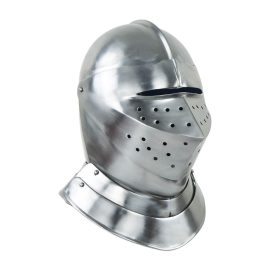
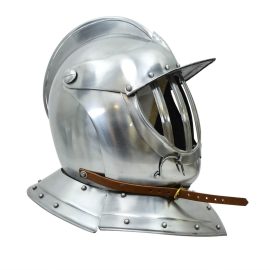
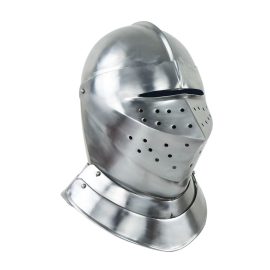
Nuremberg, Germany, C. 1490-1520.
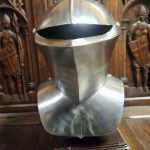
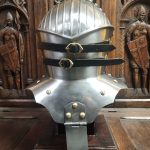
Original on display at the Metropolitan Museum of Art (Bashford Dean Memorial Collection).
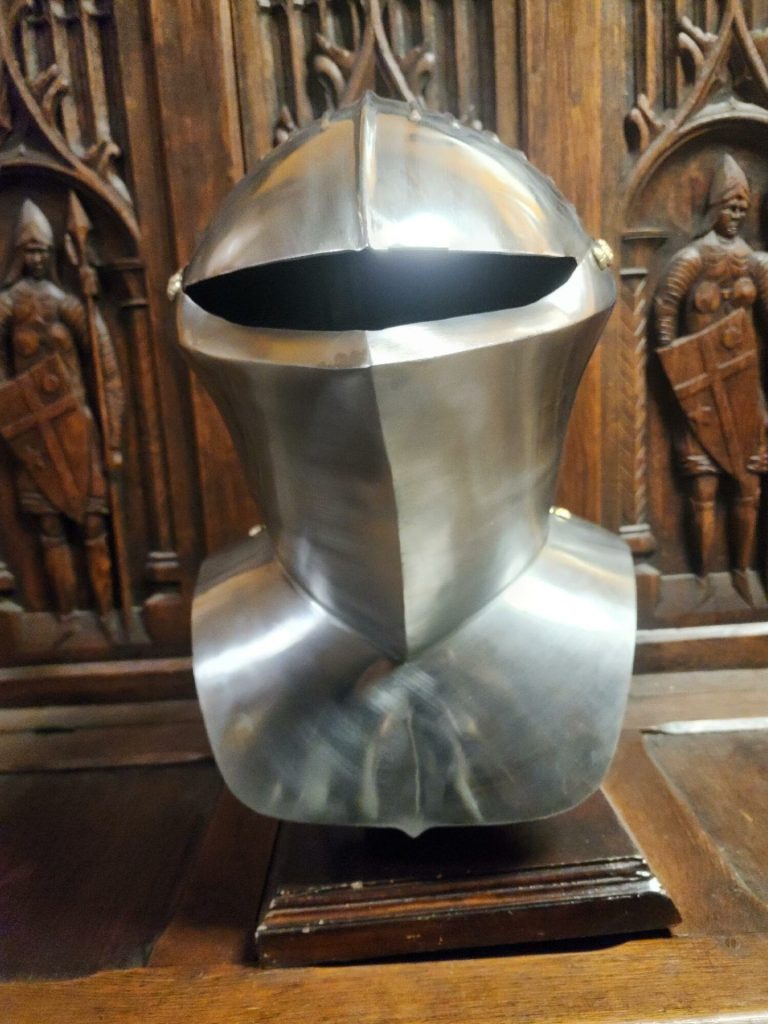
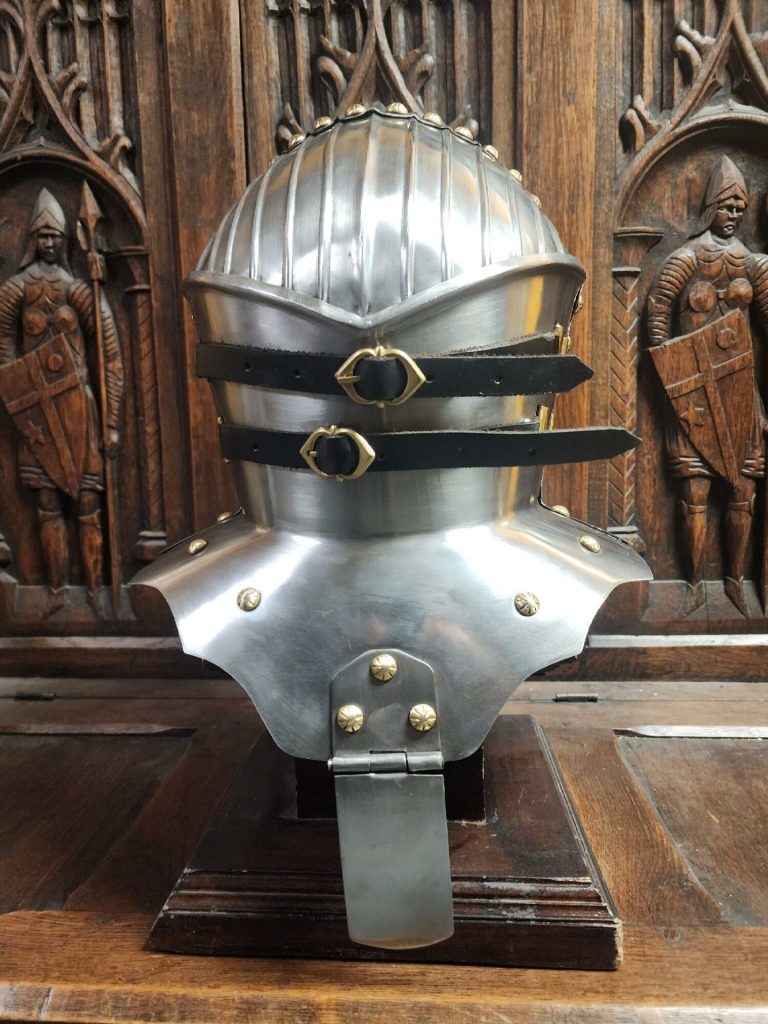
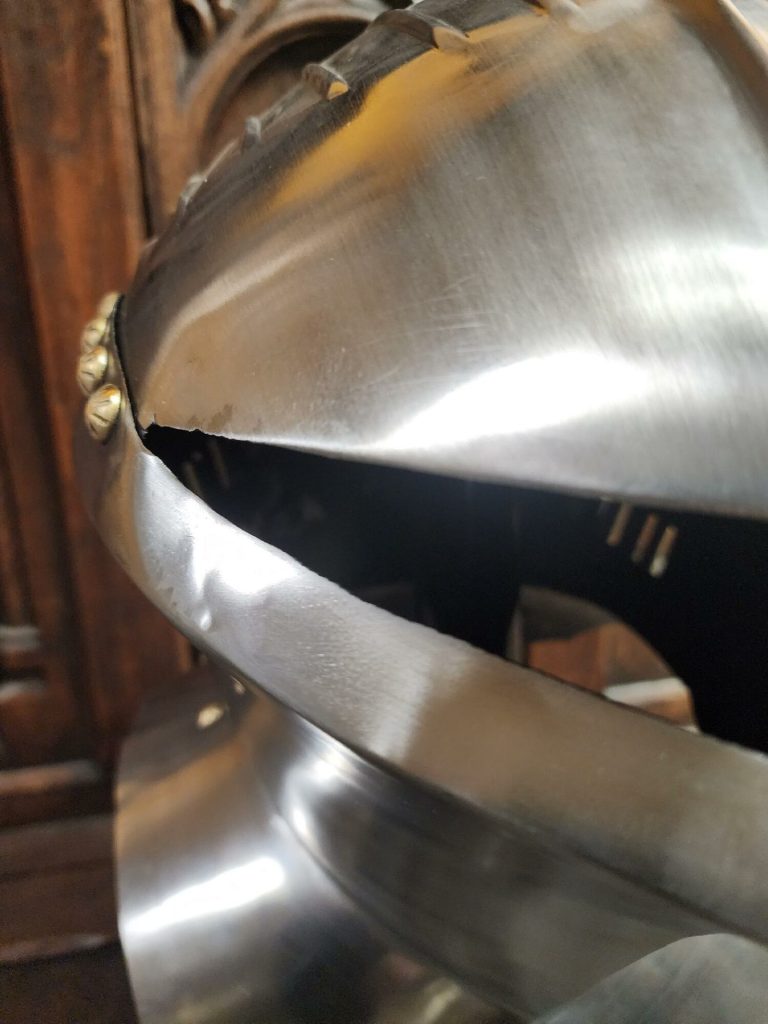
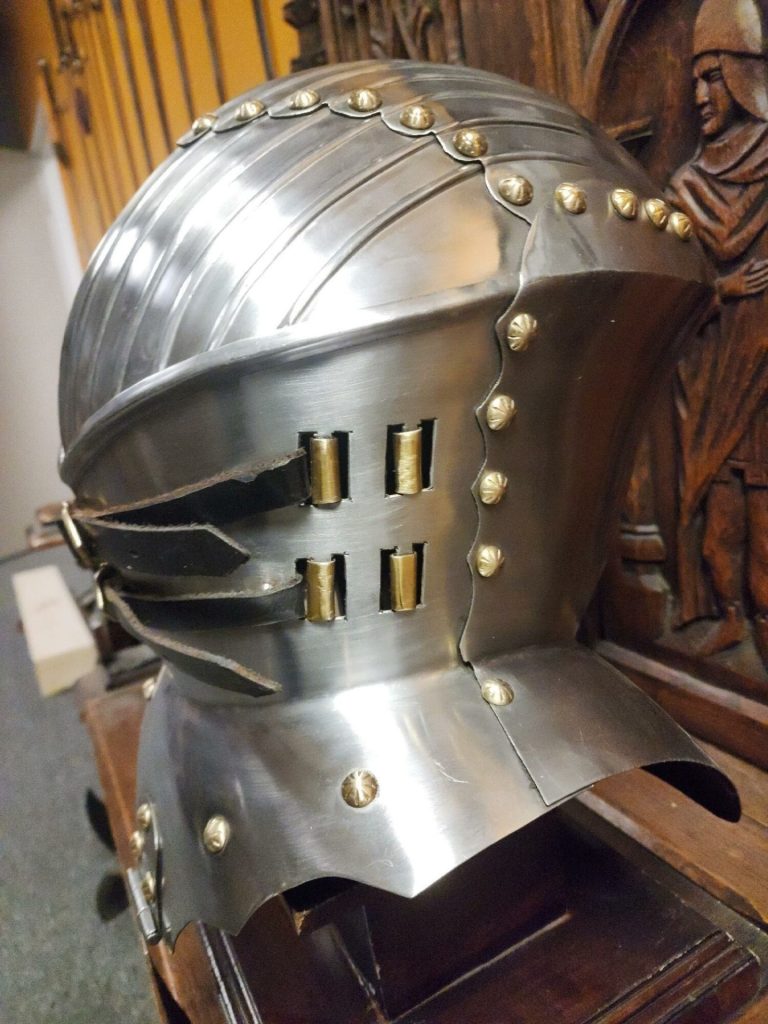
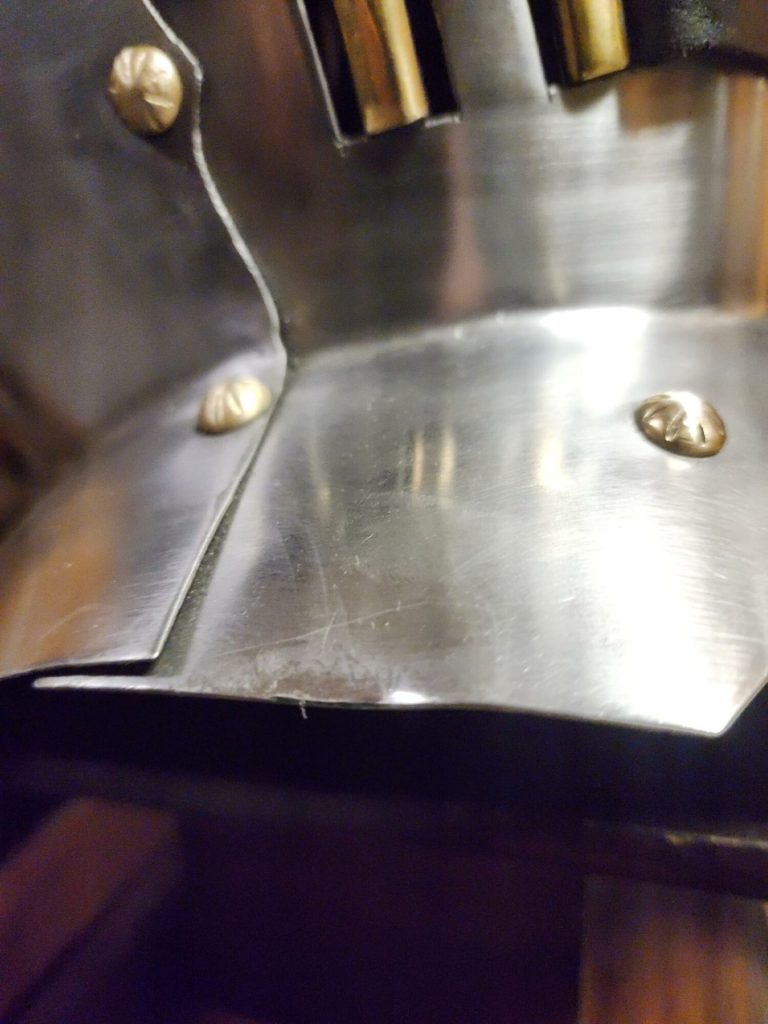
Part of our Fallen Warrior sale lot, this jousting helmet bears marks of its use, with scratches and minor dents evident. All leather straps remain intact, preserving its function as protective headgear.
Jousting arose in the 12th century as an extension of the mounted knight’s combat skills, particularly the use of the lance. By the late Middle Ages, it evolved into a formalized and highly ritualized sport across many European kingdoms. These tournaments were more than mere contests; they were occasions where knights and nobles could gain honor, wealth, and influence, while townsfolk and tradespeople profited from the influx of spectators and participants. Despite its popularity, jousting was not without controversy. In 1130, Pope Innocent II condemned such tournaments at the Council of Clermont, forbidding Christian burials for nobles who died in them. This ecclesiastical stance reflected concerns that these events distracted the aristocracy from more pious and sanctioned forms of warfare, deemed necessary for the defense of Christendom.
Fun fact: The Fallen Warrior jousting helmet was designed not only to protect but to intimidate,its often elaborate crest and visor shapes were crafted to strike fear in opponents and display the wearer’s status on the field of honor.